
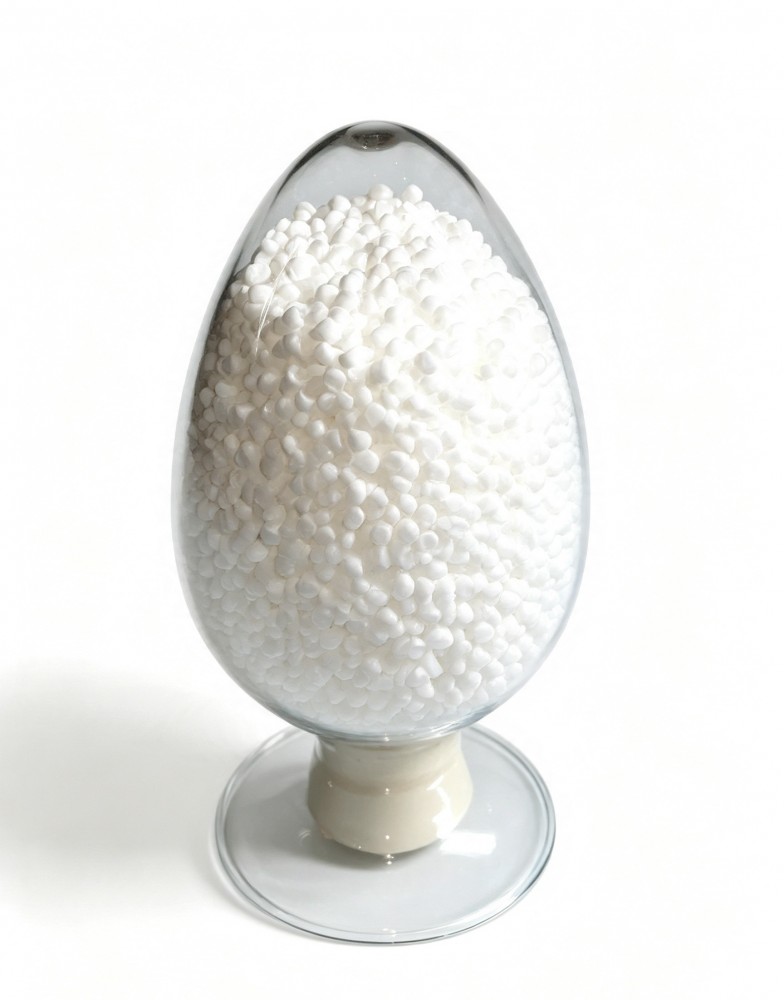
Beyond the most common LDPE, LLDPE, and HDPE, the polyethylene (PE) family includes more than a dozen specialized grades—such as Ultra-Low Density (ULDPE/VLDPE), Medium Density (MDPE), Ultra-High Molecular Weight (UHMWPE), Cross-Linked Polyethylene (PEX), and Metallocene Polyethylene (mPE). All of these resins are polymerized from ethylene monomers. By precisely controlling chain branching, crystallinity, molecular weight, and comonomer selection, the PE family spans an extraordinary performance spectrum—from ultra-soft packaging films to bulletproof fibers and wear-resistant engineering components.
1. Classification by Density and Chain Branching (Commodity & General-Purpose Grades)
This category of PE regulates crystallinity by adjusting polymerization pressure and introducing short-chain branches (such as butene, hexene, or octene). Generally, lower density yields greater flexibility and clarity, while higher density delivers superior stiffness and heat resistance.
| Abbreviation | Full Name | Density Range (g/cm³) | Key Properties | Typical Applications |
|---|---|---|---|---|
| ULDPE | Ultra-Low Density Polyethylene | 0.880 – 0.900 | Exceptional flexibility, puncture resistance, and low-temperature heat-sealing performance | Flexible packaging sealant layers, elastomer impact modifiers |
| VLDPE | Very-Low Density Polyethylene | 0.900 – 0.915 | High softness, low-temperature impact strength, and good optical clarity | Medical IV bags, heavy-duty shipping sacks, flexible tubing |
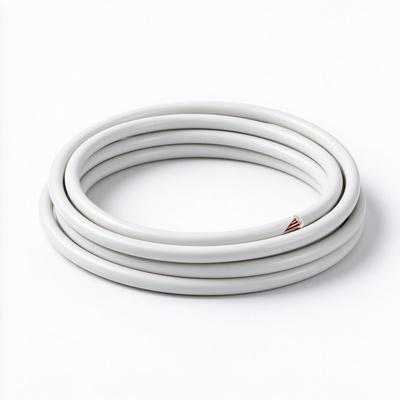
| LDPE | Low-Density Polyethylene | 0.915 – 0.930 | High degree of long-chain branching; transparent, soft, and easy to process | Food cling films, extrusion coatings, wire & cable insulation |
| LLDPE | Linear Low-Density Polyethylene | 0.915 – 0.940 | Significantly higher tear and puncture resistance than conventional LDPE | Agricultural greenhouse films, stretch wrap, rotomolded water tanks |
| MDPE | Medium-Density Polyethylene | 0.926 – 0.940 | Well-balanced stiffness and toughness; outstanding environmental stress crack resistance (ESCR) | Gas distribution pipes, large blow-molded containers |
| HDPE | High-Density Polyethylene | 0.941 – 0.965 | Minimal branching and high crystallinity; rigid, high-strength, and chemically resistant | Beverage bottle caps, municipal water pipes, industrial pallets |
UHMWPE (Ultra-High Molecular Weight Polyethylene): Features a molecular weight typically exceeding 1.5 million to over 10 million g/mol (compared to tens or hundreds of thousands for standard PE). It boasts the highest abrasion resistance, impact strength, and self-lubricating properties of any thermoplastic, making it ideal for ballistic-resistant fibers (e.g., Dyneema), orthopedic joint implants, and mining chute liners.
HMWPE (High Molecular Weight Polyethylene): Bridges the gap between standard HDPE and UHMWPE with a molecular weight of roughly 200,000 to 500,000 g/mol. It combines high impact strength with melt-processability, widely used in large chemical drums, automotive fuel tanks, and ultra-thin heavy-duty films.
mPE (Metallocene Polyethylene): Polymerized using single-site metallocene catalysts, encompassing mLLDPE and mHDPE. Its ultra-narrow molecular weight distribution and uniform comonomer incorporation produce films with superior optical clarity, exceptional toughness, and ultra-low heat-seal initiation temperatures—serving as a cornerstone material in high-end flexible packaging.
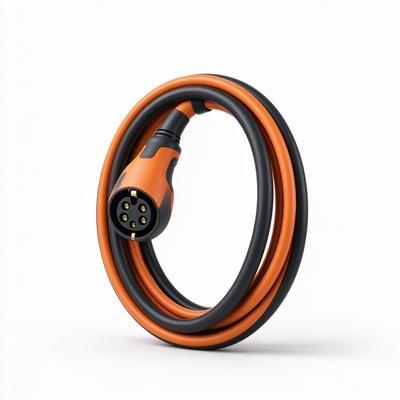
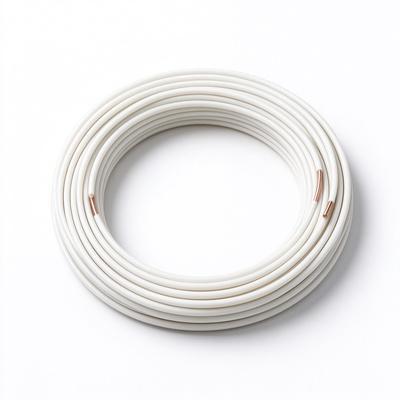
PEX / XLPE (Cross-Linked Polyethylene): Formed via peroxide, silane, or electron-beam irradiation processes that link linear polymer chains into a three-dimensional network. Cross-linking dramatically boosts heat resistance (continuous service up to 95°C) and eliminates melt dripping, making PEX essential for radiant floor heating pipes (PEX-a/b/c) and high-voltage power cable insulation.
POE (Polyolefin Elastomer): Copolymers of ethylene with high levels of octene or butene (typically below 0.885 g/cm³). POE merges thermoplastic processability with rubber-like elasticity, extensively used as impact modifiers for automotive bumpers and encapsulant films for photovoltaic (PV) solar modules.
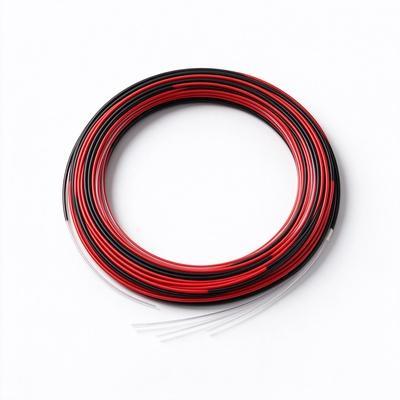
CPE (Chlorinated Polyethylene): Produced by introducing chlorine atoms onto the HDPE backbone. CPE offers excellent flame retardancy, oil resistance, and weatherability, commonly specified for wire and cable jacketing, flame-retardant rubber goods, and PVC impact modification.
EVA / EEA / EAA (Polar Ethylene Copolymers): Copolymers of ethylene with vinyl acetate (VA), ethyl acrylate (EA), or acrylic acid (AA). Introducing polar functional groups markedly enhances flexibility, adhesion, and low-temperature toughness, widely applied in foamed footwear midsoles, hot-melt adhesives, and tie-layers in multilayer barrier packaging films.
Xiangxi New Material — A professional China manufacturer of Silicone Masterbatches and plastic additives. RoHS & REACH compliant options available.
Privacy Policy ·
AI Policy ·
Copyright ·
Sitemap
Copyright © 2016-2026 Xiangxi New Material Co., Ltd. All Rights Reserved.