

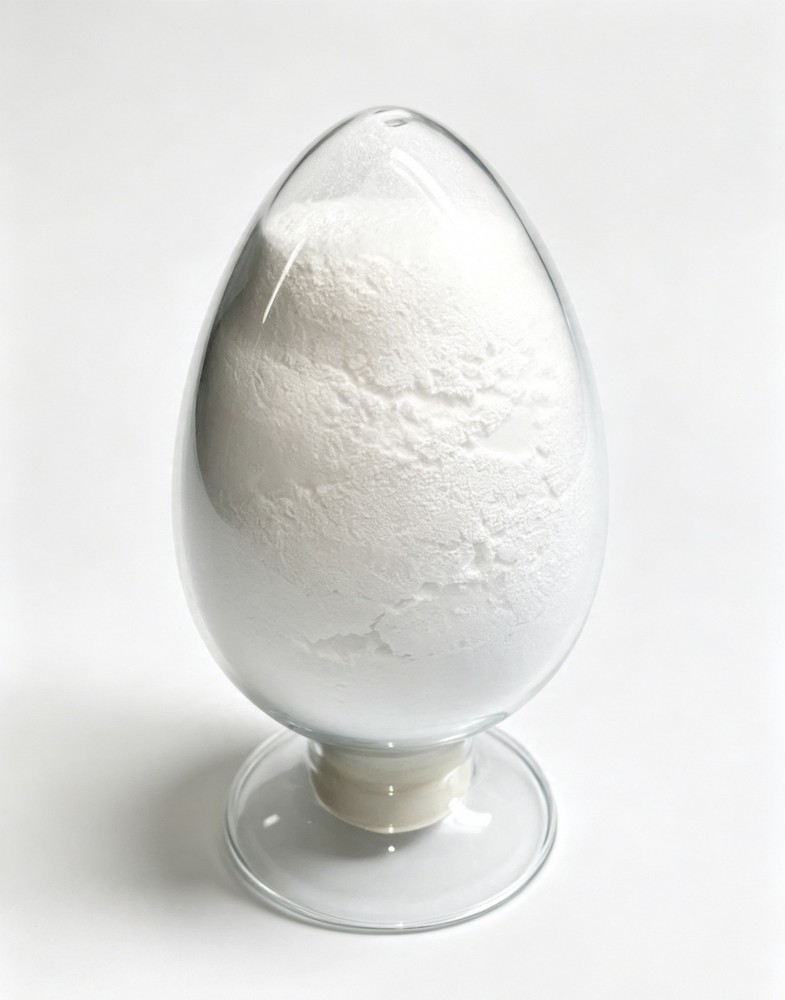
Recycled PP crate compound carries lower molecular weight, more gel and contamination, so it runs hot, torques high and releases poorly. Xiangxi's DX205B non-carrier silicone masterbatch — siloxane on silica, no carrier, dosed at 1–3% — restores lubrication margin, cutting torque 20–35% and easing demoulding so a regrind-heavy crate compound runs almost like virgin.
Degraded resin — short chains from repeated heat history raise shear, so torque climbs and the cycle stretches.
Contamination and gel — foreign polymer and cross-linked gel cause burn marks and weak spots at the gate.
Poor release — a sticky degraded skin holds the tool, leaving white marks and ejection witness.
| Route | Effect | Trade-off |
|---|---|---|
| Virgin blend-up | Better running | Cost, defeats recycling aim |
| More stearate | −5–10% torque | Plate-out, weld weakness |
| Higher temperature | Flows | More degradation |
| DX205B 1–3% | −20–35% torque, clean release | No property change at level |
All three grades carry high-molecular-weight siloxane on a silica base with no polymer carrier, metered in the same 0.5–5% band; they differ in physical form and the silicone level each one is matched to.
| Product name | Appearance | Carrier resin | Recommended dosage (W/W) | Application scope |
|---|---|---|---|---|
| DX205B | Translucent pellet | Silica (non-carrier) | 0.5–5% | All thermoplastic polymer |
| DX207B | Translucent pellet | Silica (non-carrier) | 0.5–5% | All thermoplastic polymer |
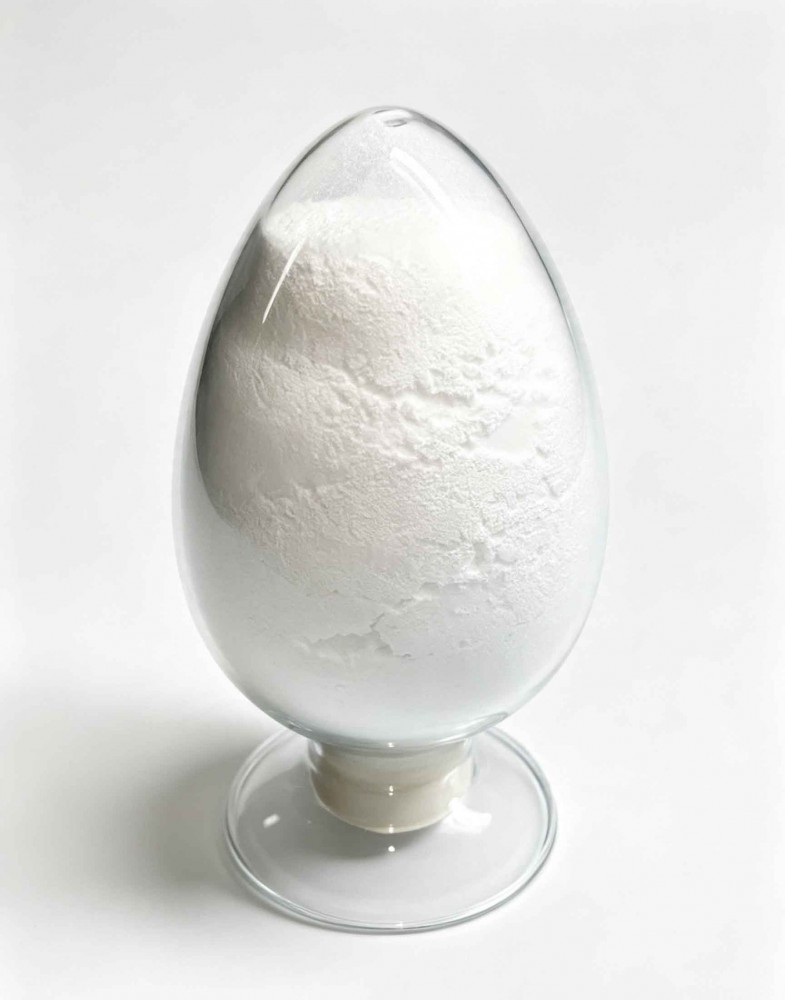
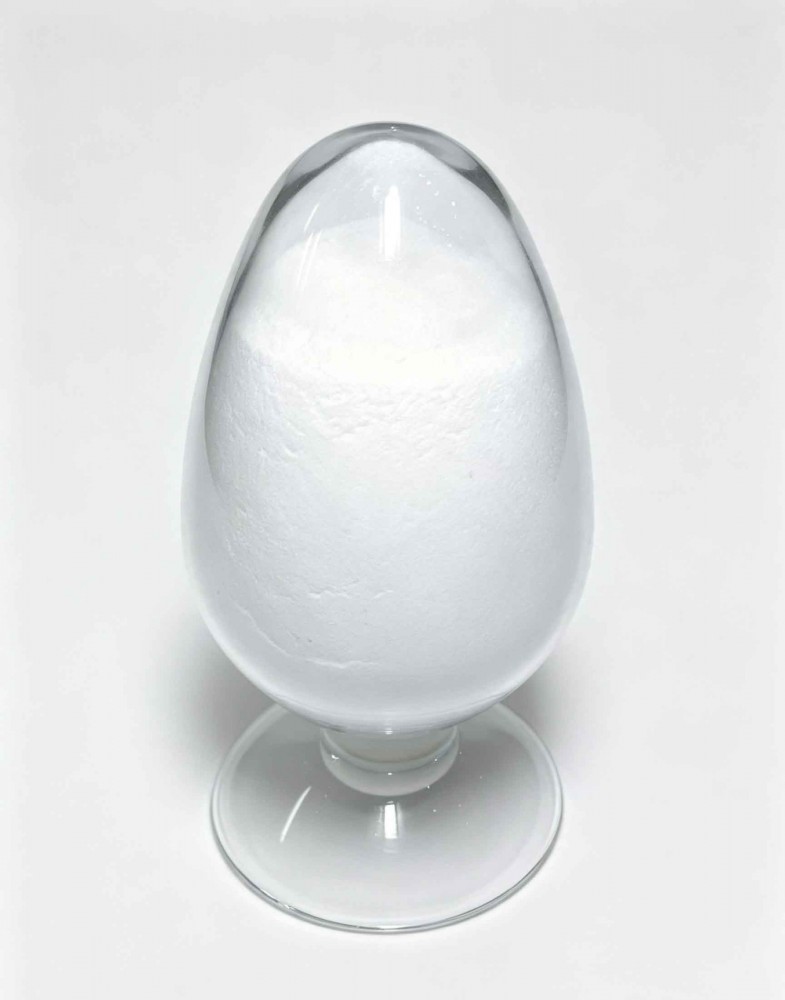
| F503A | White powder | Silica (non-carrier) | 0.5–5% | All thermoplastic polymer |
DX205B — the default for regrind-heavy PP crate and bin compounds at 1–3%.
DX207B — the higher-silicone pellet for very high regrind content or co-injected soft edges.
F503A — the powder form for a toll compounder feeding a dry blend.
Meter the pellet at the throat with the regrind compound; dry only if the blend requires it.
Start at 1% and step in 0.5% increments; heavily filled regrind often needs 2–3%.
Verify with motor-load logging, a release check and an odour and colour read on the part.
The lubrication recovers release but does not remove contaminants — keep sorting the feedstock.
Plasticising motor load — a 20–35% drop at unchanged output.
Release and defects — cleaner ejection, fewer white marks and short shots.
Impact and HDT — unchanged within normal variation (confirm per your spec).
Surface — fewer burn marks attributable to shear heat.
No — it only lubricates the melt. Continuing to sort and control the regrind stream remains essential; the additive cannot repair a bad incoming mix.
It does not remove odour; manage that separately with stripping or an odour-control package, then verify on your own compound.
Open at 1% and step to 3%; the more degraded and filled the blend, the higher the level it needs.
No bloom is expected; plate-out is reduced rather than increased.
Impact and heat-deflection are set by the resin and filler; verify them on moulded parts after the addition.
ISO 9001 production control, a certificate of analysis per batch, and REACH plus RoHS documentation with SGS reports are provided.
Testing DX205B on your Recycled PP Crate Compound? Send us your recipe and target — we return the matched grade, TDS and a 1 kg sample within 3 working days.

Xiangxi New Material — A professional China manufacturer of Silicone Masterbatches and plastic additives. RoHS & REACH compliant options available.
Privacy Policy ·
AI Policy ·
Copyright ·
Sitemap
Copyright © 2016-2026 Xiangxi New Material Co., Ltd. All Rights Reserved.