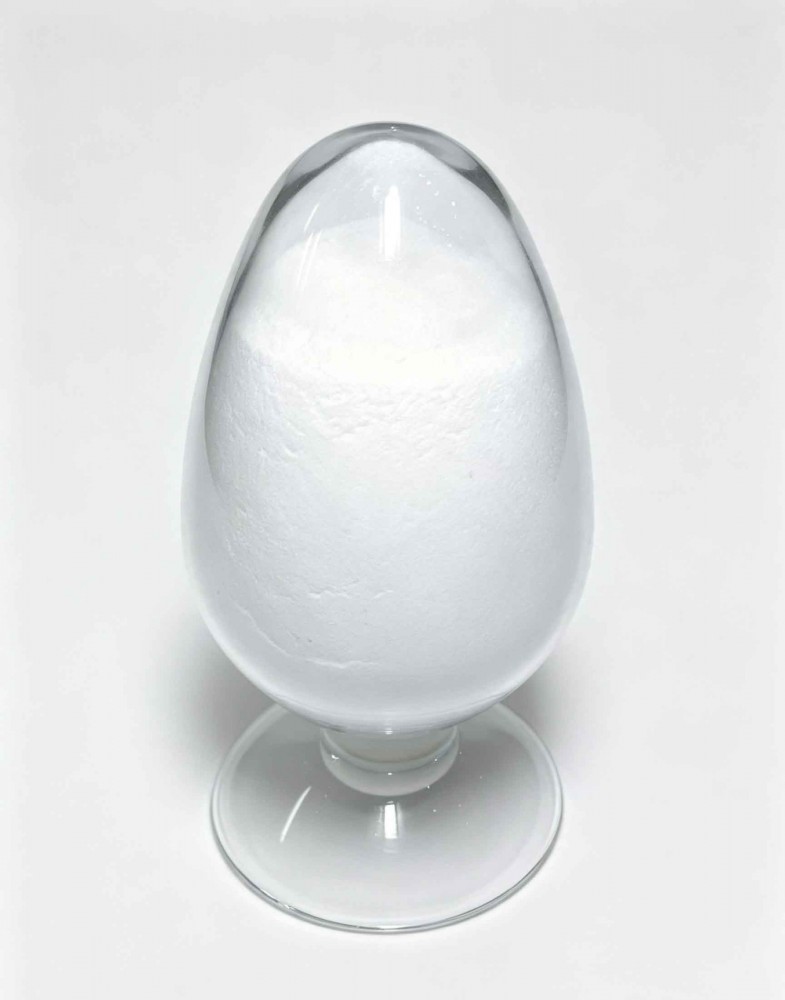

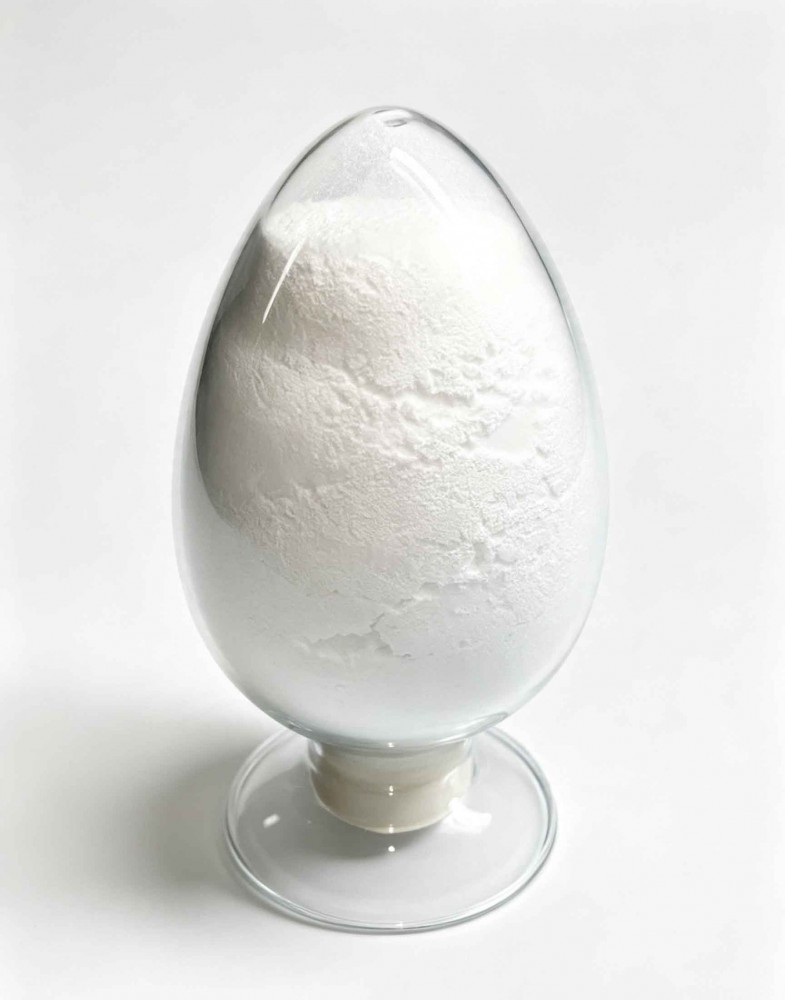
PP interior trim — door panels, pillars and console skins — is talc-filled and grained, exactly the parts a fingernail or ring scratches white. Xiangxi's DX205B non-carrier silicone masterbatch — siloxane on silica, no carrier, dosed at 1–3% — raises mar resistance and critical scratch load while acting as internal lubricant that fills the grain more completely, cutting both whitening and flow lines.
Talc debonding — talc platelets are barely wetted by PP, so a scratch peels polymer off and leaves light-scattering micro-voids.
Grain flow hesitation — the grained tool slows flow, producing bands that carry higher local stress and scratch first.
Assembly and handling scuff — clips, fasteners and gloved hands score the matt surface on the line.
| Route | Effect | Trade-off |
|---|---|---|
| Higher talc loading | Worse whitening | Poorer impact, heavier |
| Amide slip additive | Short-term slide | Bloom, print failure |
| Soft-feel lacquer | Strong initial gain | VOC, line cost |
| DX205B 1–3% | Mar up, grain cleaner | No stiffness loss |
All three grades carry high-molecular-weight siloxane on a silica base with no polymer carrier, metered in the same 0.5–5% band; they differ in physical form and the silicone level each one is matched to.
| Product name | Appearance | Carrier resin | Recommended dosage (W/W) | Application scope |
|---|---|---|---|---|
| DX205B | Translucent pellet | Silica (non-carrier) | 0.5–5% | All thermoplastic polymer |
| DX207B | Translucent pellet | Silica (non-carrier) | 0.5–5% | All thermoplastic polymer |
| F503A | White powder | Silica (non-carrier) | 0.5–5% | All thermoplastic polymer |
DX205B — the default for talc-filled trim, door and pillar compounds at 1–3%.
DX207B — the higher-silicone pellet for high-gloss or soft-touch trim where feel is critical.
F503A — the powder form for a powder-compounded trim line.
Meter the pellet at the throat with the compound; dry only if the base resin needs it.
Start at 1% and step in 0.5% increments; most trim recipes settle at 1.5–2.5%.
Verify ISO 19252 critical load, gloss retention and, for painted parts, ISO 2409 after treatment.
Do not change mould temperature during the trial so the effect is isolated.
ISO 19252 critical load — a higher whitening-onset step at 1–3%.
Gloss retention (ISO 2813) — smaller decline over a wipe cycle.
Flow lines — narrower hesitation bands on the grained face.
Print adhesion — unchanged after verification (no bloom).
Grain geometry is cut in the tool, so it is untouched; better filler wetting often gives cleaner grain definition and more even gloss. Confirm on your own slips.
Yes, both are established uses. Check bond strength with ISO 2409 after the usual flame or plasma step on your own part.
Open at 1% and step to 3%; heavily filled or high-gloss trim may use the upper part of the band.
No bloom is expected; tool plate-out is reduced rather than increased.
Yes, compatible; for post-consumer blends plan the upper band and confirm impact and odour.
ISO 9001 production control, a certificate of analysis per batch, and REACH plus RoHS documentation with SGS reports are provided.
Testing DX205B on your PP Interior Trim Compound? Send us your recipe and target — we return the matched grade, TDS and a 1 kg sample within 3 working days.
Xiangxi New Material — A professional China manufacturer of Silicone Masterbatches and plastic additives. RoHS & REACH compliant options available.
Privacy Policy ·
AI Policy ·
Copyright ·
Sitemap
Copyright © 2016-2026 Xiangxi New Material Co., Ltd. All Rights Reserved.