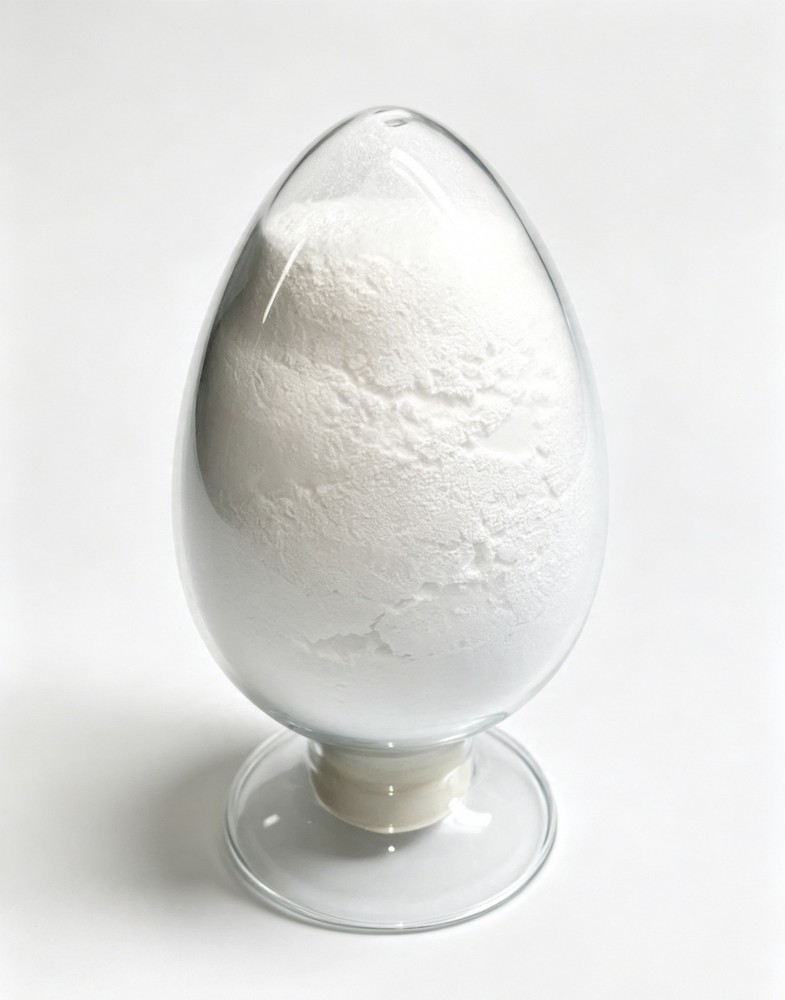

High glass loadings (GF40–GF50 PA) show the worst floating fiber — so much fiber surface that carrier-based products run out of wetting capacity. The non-carrier silicone is the answer for exactly this case:
100% active siloxane wets the fiber surfaces directly — no carrier competing for the interface.
Fibers anchor into the matrix instead of aligning at the surface, so the part reads as polymer, not glass.
Flow improves simultaneously, reducing the fiber orientation churn that exposes fiber near gates.
Starting dosage for GF50 systems: 0.8–1.5%, tuned by surface inspection on actual parts. Combine with process levers (mold temperature, fill-speed profiling) for the full result.
Appearance specs for visible GF-PA parts (automotive exterior, power tool housings) are the classic successful application of this product.
Xiangxi New Material — A professional China manufacturer of Silicone Masterbatches and plastic additives. RoHS & REACH compliant options available.
Privacy Policy ·
AI Policy ·
Copyright ·
Sitemap
Copyright © 2016-2026 Xiangxi New Material Co., Ltd. All Rights Reserved.