

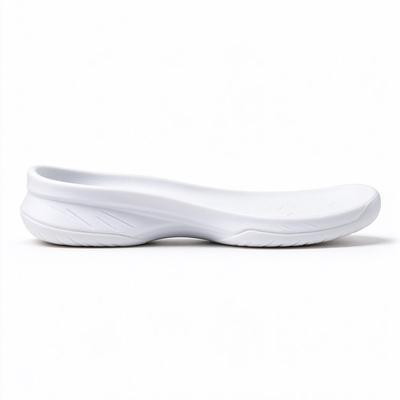
Lasting room downtime often starts with a small part: once an EVA grip pad on the last or the machine jaw polishes smooth, materials slip and the lasting line goes out of alignment. Xiangxi's DX051 anti-abrasion masterbatch, an EVA+ carrier grade at 3–8%, reduces DIN abrasion loss by about 30% in moulded EVA pads, so the surface keeps its texture and grip instead of glazing over.
Micro-polishing under repetition — thousands of cycles against leather, fabric and synthetic uppers flatten the surface texture, and a flat surface grips far less than a matte one.
High local pressure — the load is concentrated on small pad faces, so wear depth per cycle is far higher than on shoe soles themselves.
Cleaning agents and heat — solvent wiping and heat from nearby machine parts soften the top layer, which then polishes even faster on the next shift.
| Route | Abrasion gain | Downside in the lasting room |
|---|---|---|
| Harder durometer pad | 15–25% | Marks delicate uppers and loses conformability |
| Replace pads more often | None | Downtime and consumable cost every few weeks |
| Polyurethane or metal insert | 15–25% | Expensive, and changes grip feel against the upper |
| DX051 anti-abrasion masterbatch | ≈30% lower DIN loss | Same durometer, same grip, same compound cost base |
| Product name | Appearance | Carrier resin | Recommended dosage (W/W) | Application scope |
|---|---|---|---|---|
| N5015 | White pellet | EVA+ | 3–8% | EVA, TPR |
| DX051 | White pellet | EVA+ | 3–8% | EVA, TPR |
| DX052P | White pellet | EVA+ | 3–8% | EVA, TPR |
| DX053 | White pellet | EVA+ | 3–8% | EVA, TPR, TR, PVC |
| DX063 | White pellet | EVA+ | 3–8% | EVA, TPR — supercritical foaming |
| DX653A | White pellet | EVA | 3–8% | EVA, TPR |
DX051 — the standard grade for injection-moulded EVA pads, giving dependable dispersion in small parts with short cycles.
DX653A — use the pure EVA carrier version if the pad compound is single-polymer EVA with no TPR content.
DX053 — the choice for pads moulded in TPR or PVC, such as grip pads exposed to higher machine temperatures.
DX063 — for lightweight micro-cellular pads made by supercritical foaming on newer equipment.
N5015 — for disposable or low-cost pads on older machines where replacement is routine.
Add the white pellet with the polymer before any blowing agent; no drying is needed and it feeds like standard granular masterbatch.
Start at 3% and step up 1% at a time; pad mouldings usually settle between 4% and 6% because the part is small and the addition cost is negligible.
Watch for sink marks on thick pad sections after the first shots — improved flow changes packing behaviour slightly.
Confirm the result with your own MDR and DIN (ISO 4649) comparison before standardising the part; both references come with the sample.
DIN abrasion loss (ISO 4649): about 30% lower at 4–6% dosage in moulded EVA.
Surface texture: the pad face stays matte for longer instead of glazing over after the first few weeks.
Hardness and rebound: unchanged within batch variation, so conformability against the upper is untouched.
Moulding quality: cleaner edges and fewer pinholes on thick sections, which also reduces weak areas near the mounting face.
Both are linked here: most grip loss comes from the surface polishing smooth, and it wears away far more slowly with the masterbatch added, so texture retention is what operators notice first.
Pad life depends on cycle count and upper material, so compare your current replacement interval against a trial batch on the same machine — most plants record the interval in weeks before deciding.
Solvent resistance is governed by your base polymer, not by the additive. What improves is that the softened top layer no longer rubs away as easily after cleaning.
Yes. Better flow improves filling of fine ribs and dot patterns, and demoulding gets easier, which protects small features from tearing at the tool.
Very. At 4–6% on a pad weighing a few grams, the added masterbatch cost per part is minimal compared with the cost of an unscheduled line stoppage.
Xiangxi grades are REACH and RoHS compliant, SGS tested, produced under ISO 9001 and delivered with a COA per batch and a TDS per grade.
Trialling DX051 in last Grip Pad? Send us your recipe, line conditions and target DIN value — we return the matched grade, TDS and a 1 kg sample within 3 working days.

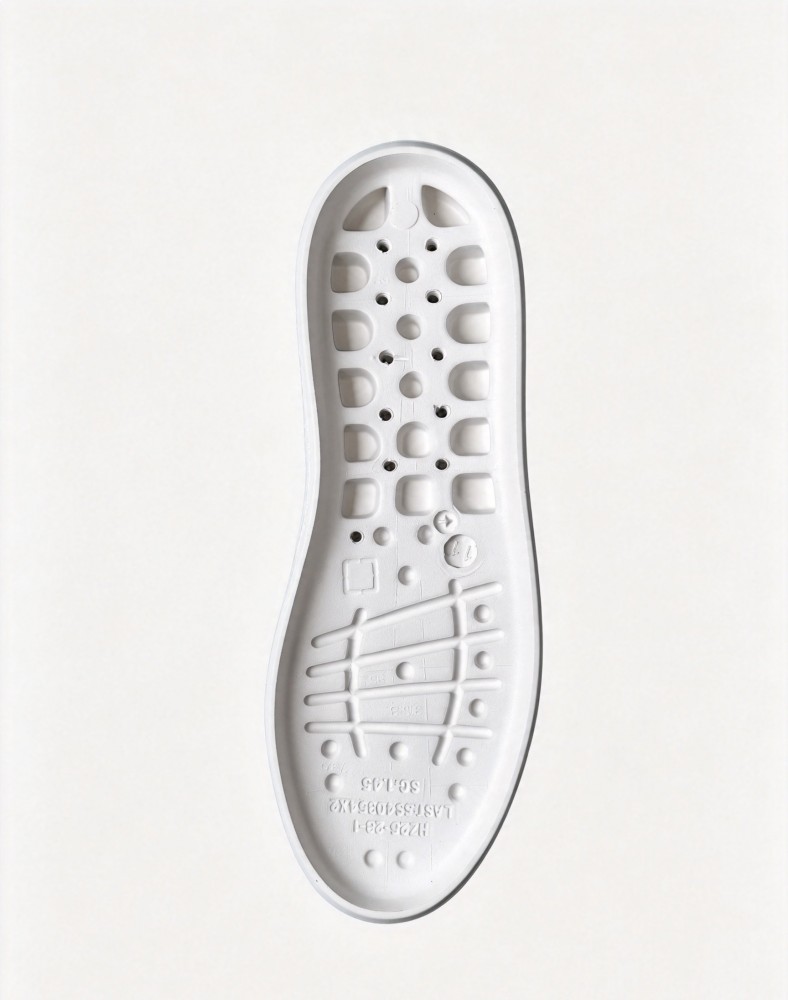
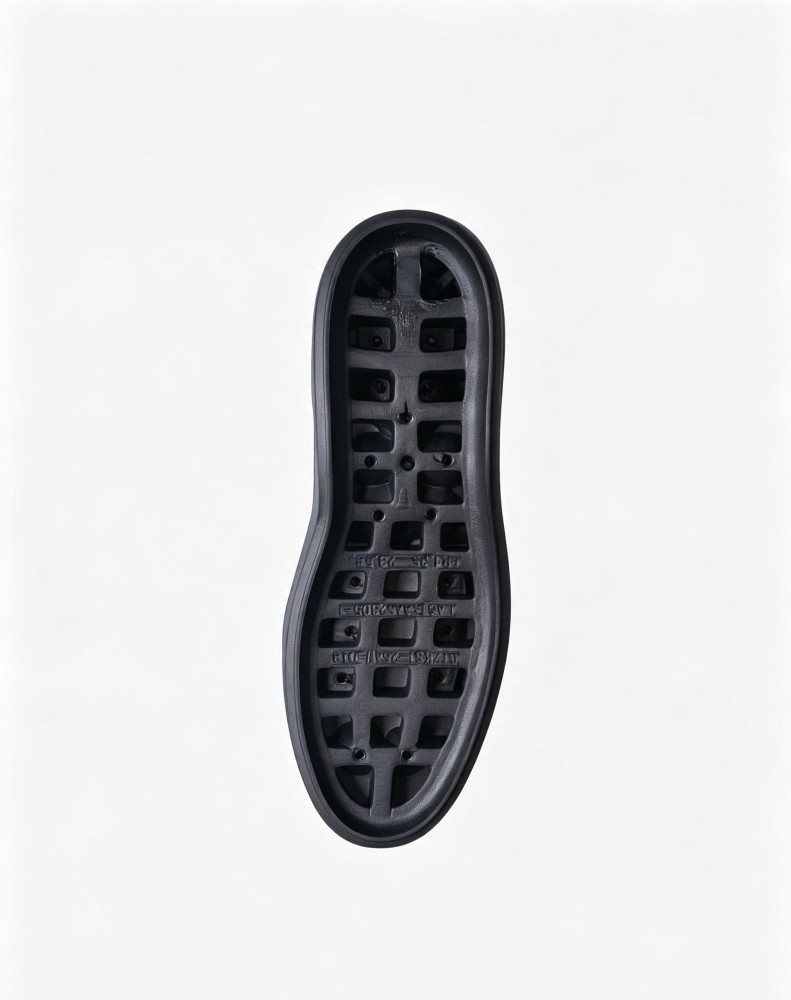
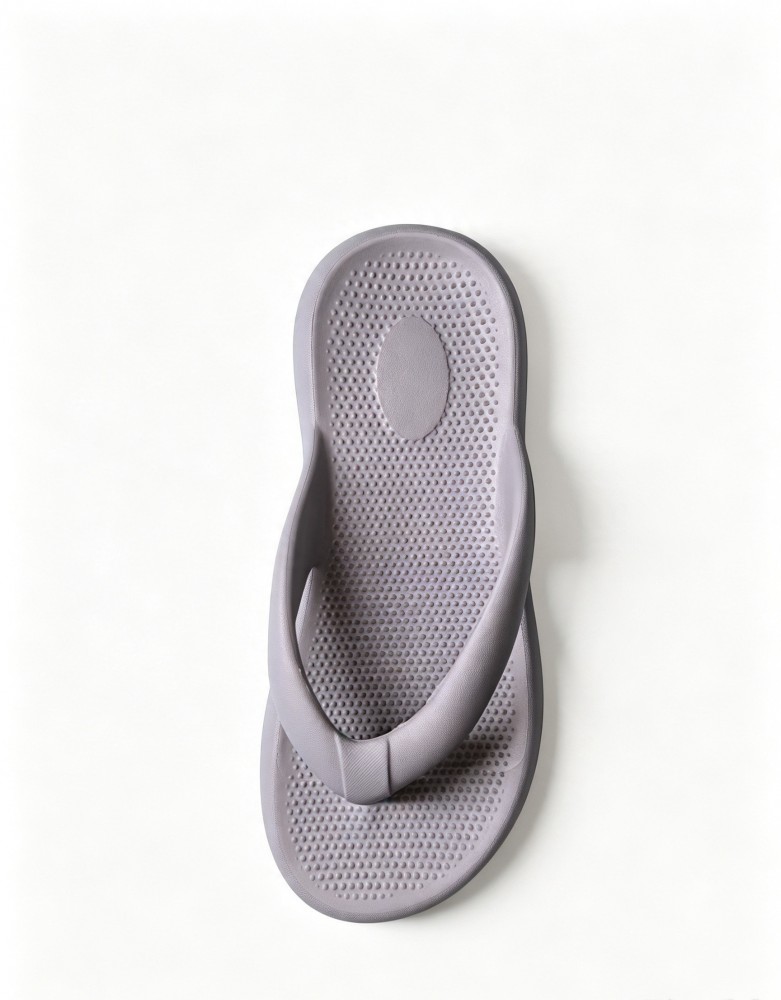
Xiangxi New Material — A professional China manufacturer of Silicone Masterbatches and plastic additives. RoHS & REACH compliant options available.
Privacy Policy ·
AI Policy ·
Copyright ·
Sitemap
Copyright © 2016-2026 Xiangxi New Material Co., Ltd. All Rights Reserved.