

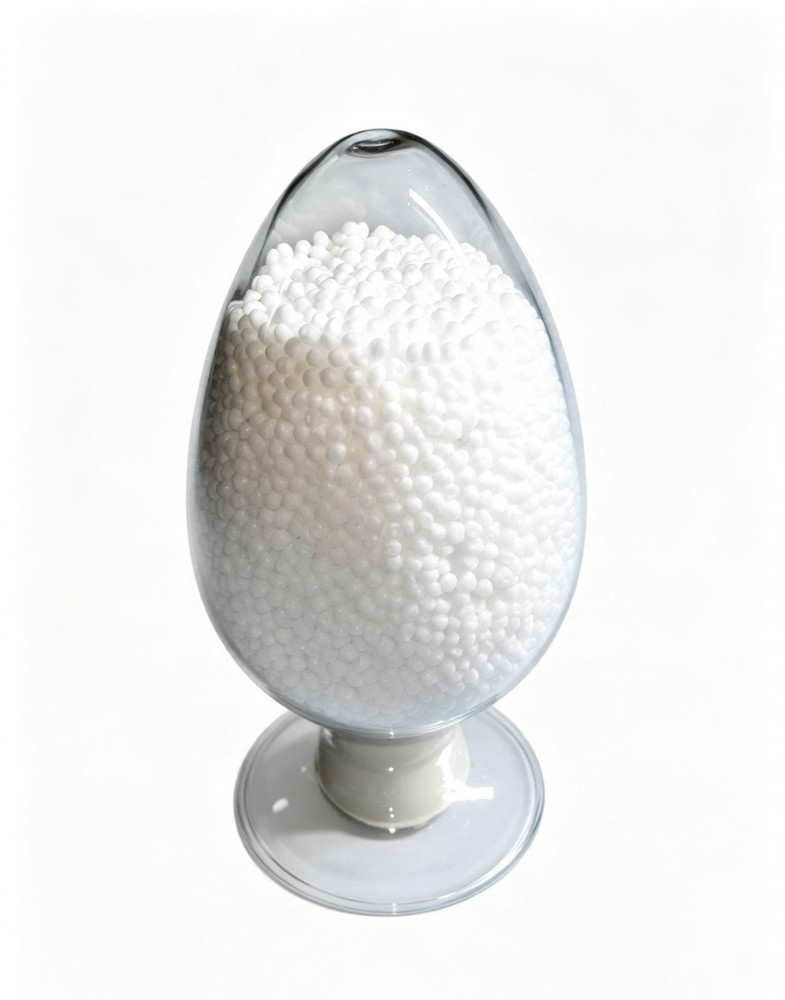
A 30% glass-fibre PP module frame is one of the hardest shots on the shop floor: the compound is abrasive, the press runs close to its pressure limit, and broken fibres float to the skin where the cells are slid in. Adding DX852 at 1.5–2.5% lubricates the fibre–polymer interface during compounding and filling, giving better wetting, fewer exposed fibres, lower motor load and a lower-friction pocket wall where cells are inserted.
Fibre breakage — shear at the screw and the gate cuts glass down to stub length; fragments protrude at the skin, look wrong and abrade the cell sleeve during assembly.
Poor wetting — at 30% glass very little polymer remains to coat the surface, so any unwetted bundle becomes a shiny streak that later develops into fibre pick during handling.
Pressure-limited filling — filling near the machine limit leaves wide packing variation across the frame, which shows as warpage and makes the insertion slot drag.
| Parameter | Without processing aid | With DX852 1.5–2.5% |
|---|---|---|
| Plasticising motor load | High, frequently derated | Lower at identical output |
| Peak injection pressure | Near machine maximum | Headroom free for packing |
| Melt temperature needed | High to obtain flow | Same fill achieved at the low end |
| Floating fibre rating | Visible macro float | Uniformly matte surface |
| Cell insertion | Drag and occasional scuffing | Smooth slide, unchanged slot geometry |
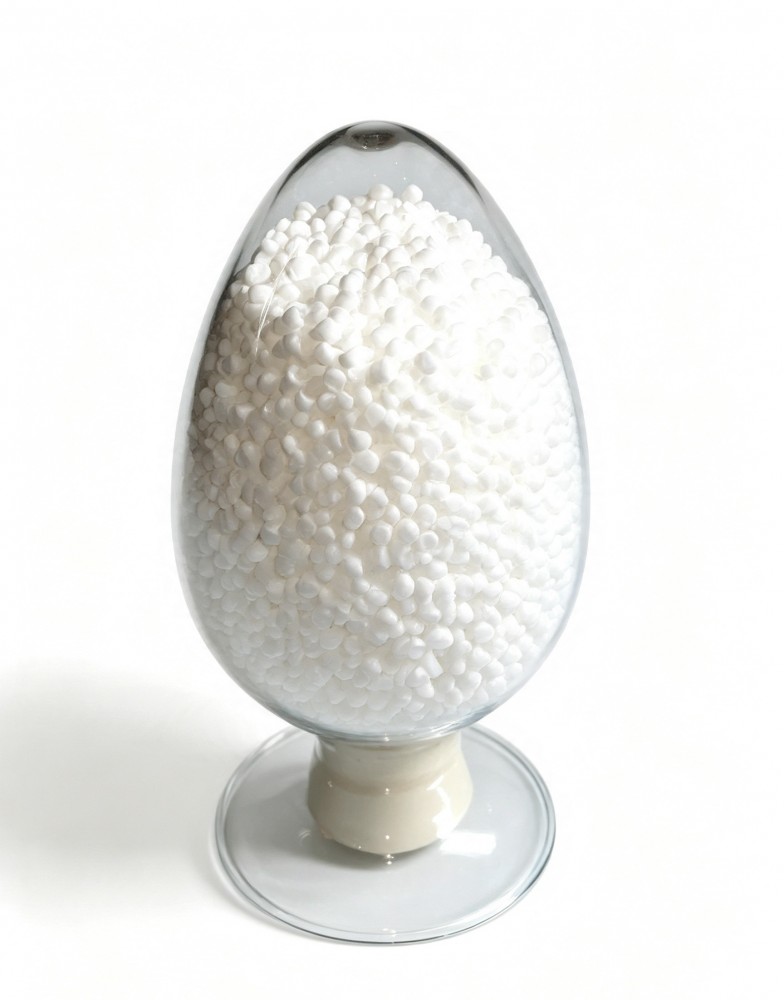
All three grades are metered into polypropylene and PP/TPE systems inside the same 0.5–5% band; they differ in the part geometry and filler system each one is matched to.
| Product name | Appearance | Carrier resin | Recommended dosage (W/W) | Application scope |
|---|---|---|---|---|
| DX852 | White pellet | PP+ | 0.5–5% | PP, TPE |
| DX8502A | White pellet | PP+ | 0.5–5% | PP, TPE |
| DX853C | White pellet | PP+ | 0.5–5% | PP, TPE |
DX852 — the thin-wall high-flow choice: 1.5–2.5 mm walls, long flow length and high-shear gating are the conditions it is matched to.
DX8502A — practical for the associated terminal shield and inspection cover made from the same resin family without heavy fibre loading.
DX853C — the one to compare against when the frame moves to a mineral-filled variant and an OEM mar specification replaces the assembly-friction target.
Do not change the coupling agent or fibre sizing when introducing the masterbatch; the lubrication is meant to work alongside your existing treatment.
Open at 1.5% and read the effect from motor-load and fill-pressure logging rather than appearance alone — both move before the surface does.
On flame-retardant versions, re-confirm UL 94 classification on your own compound after the addition and file the record with the batch certificate.
Where cells are bonded or potted into the frame, repeat the lap-shear check so any need for pre-treatment is known before volume production.
Floating fibre count — compare against a fixed reference plaque, ideally by image analysis.
Motor load and peak pressure — logged decline at unchanged output and quality.
Cell insertion force — lower, and more consistent from part to part.
Frame flatness — less warpage because the lower pressure demand reduces differential packing.
The dispersion is hydrocarbon-compatible, but FR systems are sensitive by nature, so re-run UL 94 and any GWIT or CTI requirement on your own compound with the masterbatch included, and keep the report on file.
The grade stays dispersed in polypropylene instead of blooming, keeping transfer risk low. Assemblies using potting compound should still be verified against the adhesive supplier's own specification.
Trial it before you pay for a higher-flow resin — the flow improvement often removes that need. Never remove the coupling agent, because fibre strength depends on it.
Use 1.5% and step to 2.5% only if motor load and pressure have not moved; beyond that the return on cost is small in most fibre-loaded recipes.
Dimensions follow the tool and cooling, which are unchanged. Warpage often improves because packing becomes more uniform, but verify on the CMM rather than assuming.
ISO 9001 production control, batch certificates of analysis and REACH plus RoHS documentation with SGS reports are provided for the series.
Testing DX852 on your EV Battery Module Frame (GF-PP)? Send us your recipe and target — we return the matched grade, TDS and a 1 kg sample within 3 working days.


Xiangxi New Material — A professional China manufacturer of Silicone Masterbatches and plastic additives. RoHS & REACH compliant options available.
Privacy Policy ·
AI Policy ·
Copyright ·
Sitemap
Copyright © 2016-2026 Xiangxi New Material Co., Ltd. All Rights Reserved.