

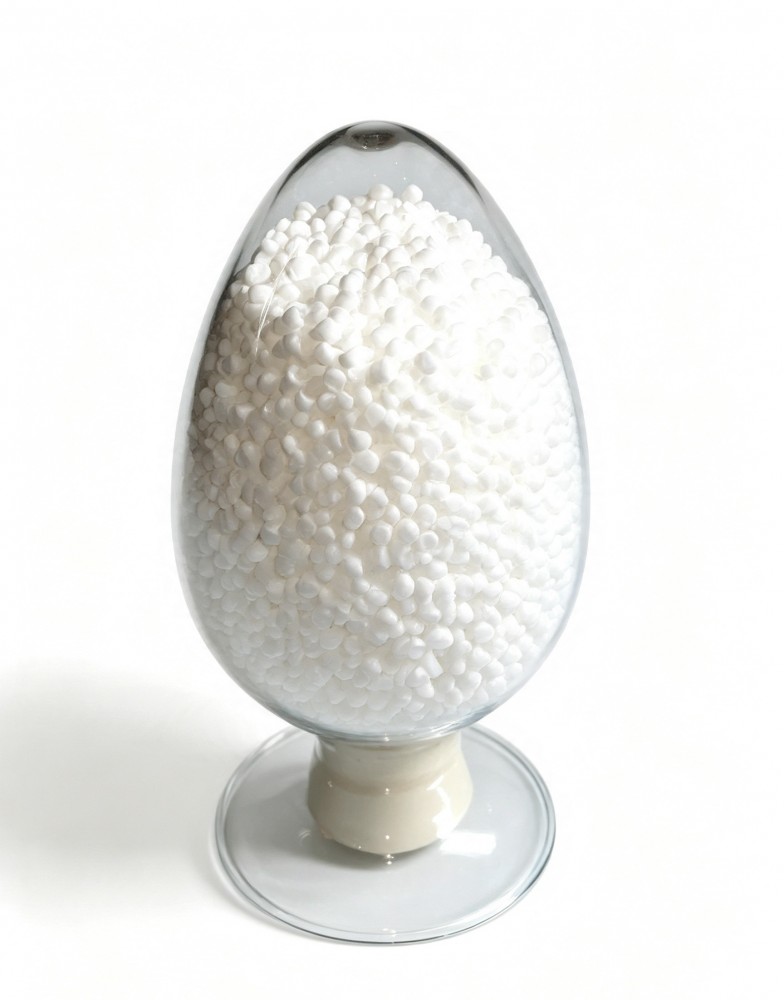
A louver blade has to be straight, thin and silent. Typical designs are 0.9–1.2 mm thick and 400–600 mm long in high-MFR polypropylene, and once the blade warps or creaks in its frame the whole unit is rejected on the line. Running DX852 at 1–2% improves fill of the long thin section, lowers residual stress and therefore warp, and reduces friction at the pivot and along the blade edge so it rotates without stick-slip noise.
Warp-driven interference — a small amount of out-of-flat is enough to bring the edge into contact with the frame, and every oscillation then rubs a visible line into the blade.
Stick-slip at the pivot — where static friction exceeds dynamic friction substantially, the blade moves in jumps; the resulting vibration is the creak customers complain about, and the pivot bore scores.
High-shear skin — such a section only fills at maximum velocity, producing oriented, partly degraded material at the skin that mars more readily than the core.
| Parameter | Standard high-MI PP | With DX852 1–2% |
|---|---|---|
| Injection velocity | Maximum, still marginal | Stable window with margin |
| Melt temperature | Pushed high to fill | Lower, with less residence time |
| Packing / holding | Long hold to fight sink | Shorter hold acceptable |
| Flatness after 24 h | Visible bow | Improved, more repeatable |
| Pivot torque, running | High, uneven | Lower and smoother |
All three grades are metered into polypropylene and PP/TPE systems inside the same 0.5–5% band; they differ in the part geometry and filler system each one is matched to.
| Product name | Appearance | Carrier resin | Recommended dosage (W/W) | Application scope |
|---|---|---|---|---|
| DX852 | White pellet | PP+ | 0.5–5% | PP, TPE |
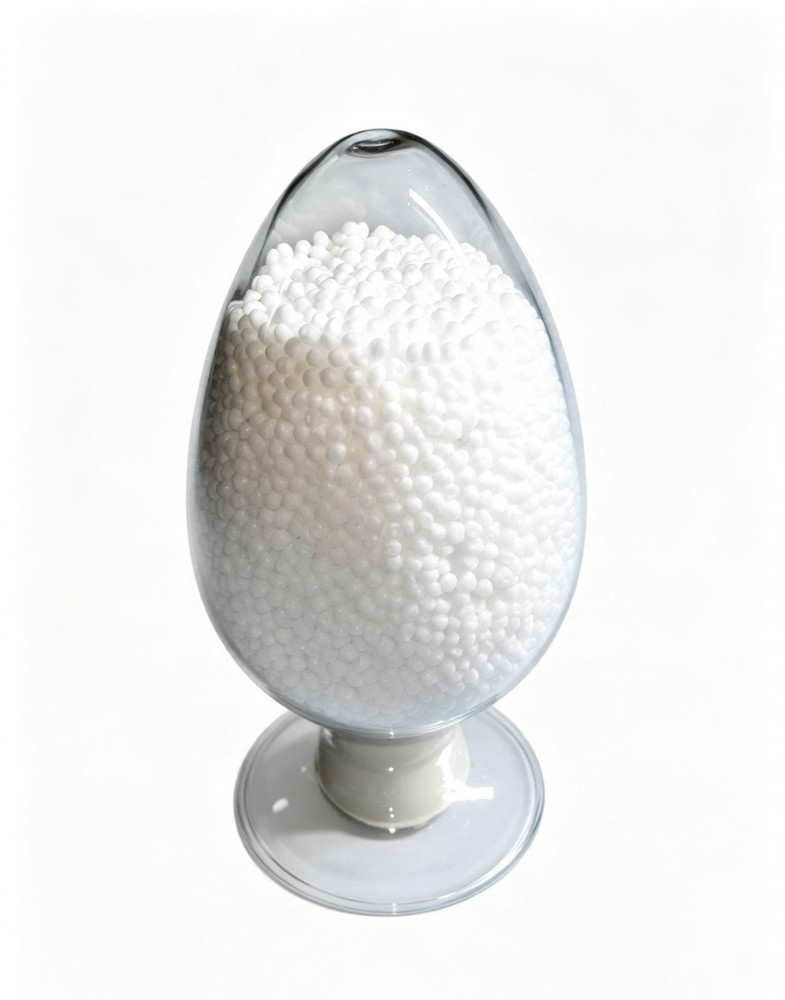
| DX8502A | White pellet | PP+ | 0.5–5% | PP, TPE |
| DX853C | White pellet | PP+ | 0.5–5% | PP, TPE |
DX852 — designed for thin-wall high-flow parts, which is precisely what a long thin blade with a poorly located single gate is.
DX8502A — better suited to the thicker frame members and the decorative cover, including any PP/TPE feel components mounted on the assembly.
DX853C — the one to compare when the blade is mineral-filled for stiffness and the prevailing complaint is surface whitening after cleaning.
Introduce the pellet as a dry blend at the throat; for small shot volumes a gravimetric feeder gives the needed accuracy.
Begin at 1%, then step 0.5%; judge the trial on flatness before appearance, since straightening usually comes first.
Measure pivot torque with a small torque gauge and compare starting versus running torque directly.
Allow parts to condition for 24 hours before judging warp; freshly ejected readings are misleading for this geometry.
Flatness deviation — smaller and narrower in distribution after conditioning.
Start versus running torque — reduced, and the ratio should approach one.
Sound level — lower peak noise in a sweep test; set the microphone at a fixed distance.
Edge rub marks — fewer after a defined number of oscillation cycles at elevated temperature.
Often, yes: squeak comes from stick-slip, which depends on the friction gap between static and dynamic values. Reducing that gap tackles the cause instead of hiding the symptom with felt pads.
Torque drops but not to zero, so gear engagement is preserved. Check the linkage back-drive torque against your drive motor's stall specification before signing off the change.
Yes, though anti-static agents work at the surface and this material works inside the compound, so the two should be assessed separately before being combined into one recipe.
One to two percent; thin sections fill easily and rarely need more. Above that, the incremental benefit does not justify the added cost.
Improved flow lets you reduce velocity and pressure, which usually reduces flash. Re-set the changeover point when you lower injection speed, or the machine will over-pack.
Each batch ships with an ISO 9001 certificate of analysis, and REACH and RoHS documentation backed by SGS reports covers the series.
Testing DX852 on your Air Conditioner Louver Blade? Send us your recipe and target — we return the matched grade, TDS and a 1 kg sample within 3 working days.


Xiangxi New Material — A professional China manufacturer of Silicone Masterbatches and plastic additives. RoHS & REACH compliant options available.
Privacy Policy ·
AI Policy ·
Copyright ·
Sitemap
Copyright © 2016-2026 Xiangxi New Material Co., Ltd. All Rights Reserved.