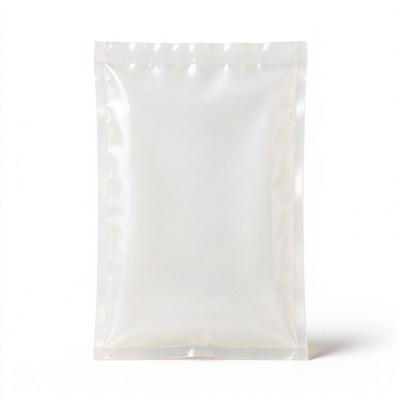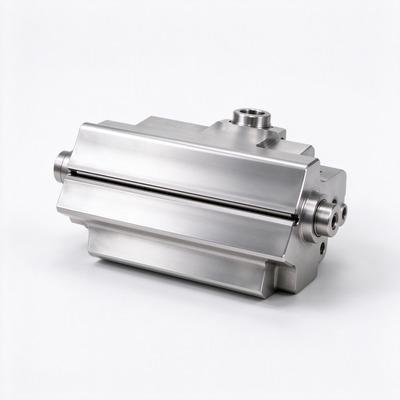

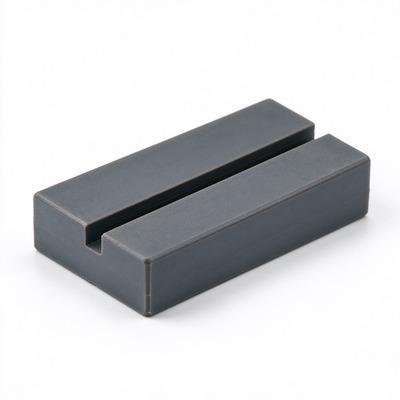
A slitting machine guide pad is the wear part the film rides on — it must stay dimensionally stable, low-friction and non-marking through long runs. Builders load these pads with filler for stiffness, but high load drives blocking, friction drift and die fouling in the pad stock. Xiangxi's BOPP/CPP film masterbatch series — powder grade, carried on silica at 0.5–3%, disperses into the filled compound to control COF and anti-block without blooming, so the guide pad wears evenly and the film is not marked.
| Route | Friction / wear | Trade-off |
|---|---|---|
| Loose slip + filler | Erratic | Bloom, scoring |
| Lower filler | Better | Softer pad, less stable |
| Post coat | Short-lived | Extra step |
| powder grade masterbatch | Stable, low wear | No bloom |
| Product name | Appearance | Carrier resin | Recommended dosage (W/W) | Application scope |
|---|---|---|---|---|
| Xiangxi BOPP/CPP film masterbatch series — PP carrier grade | White pellet | PP | 0.5–3% | BOPP |
| Xiangxi BOPP/CPP film masterbatch series — PE carrier grade | White pellet | PE | 0.5–3% | CPP |
| Xiangxi BOPP/CPP film masterbatch series — powder grade | White pellet | Silica | 0.5–3% | BOPP, CPP |
High CaCO3 can, but the powder grade disperses evenly and cuts local hard spots, so edge scoring drops.
No — the silica-carried additive is locked in and does not migrate to the pad face.
It is surface-active only; the filled compound's stiffness and dimensional stability hold.
Yes, the powder grade is made for filled stocks; confirm COF and wear on a trial pad.
Begin at 0.5%, raise in 0.5% steps against ASTM D1894 and a wear check.
The powder grade ships with TDS and COA; confirm the limits for your film and region.
Testing Xiangxi BOPP/CPP film masterbatch series — powder grade on your Slitting Machine Guide Pad? Send us your recipe and target — we return the matched grade, TDS and a 1 kg sample within 3 working days.
Xiangxi New Material — A professional China manufacturer of Silicone Masterbatches and plastic additives. RoHS & REACH compliant options available.
Privacy Policy ·
AI Policy ·
Copyright ·
Sitemap
Copyright © 2016-2026 Xiangxi New Material Co., Ltd. All Rights Reserved.